Happy International Day of the Girl Child!
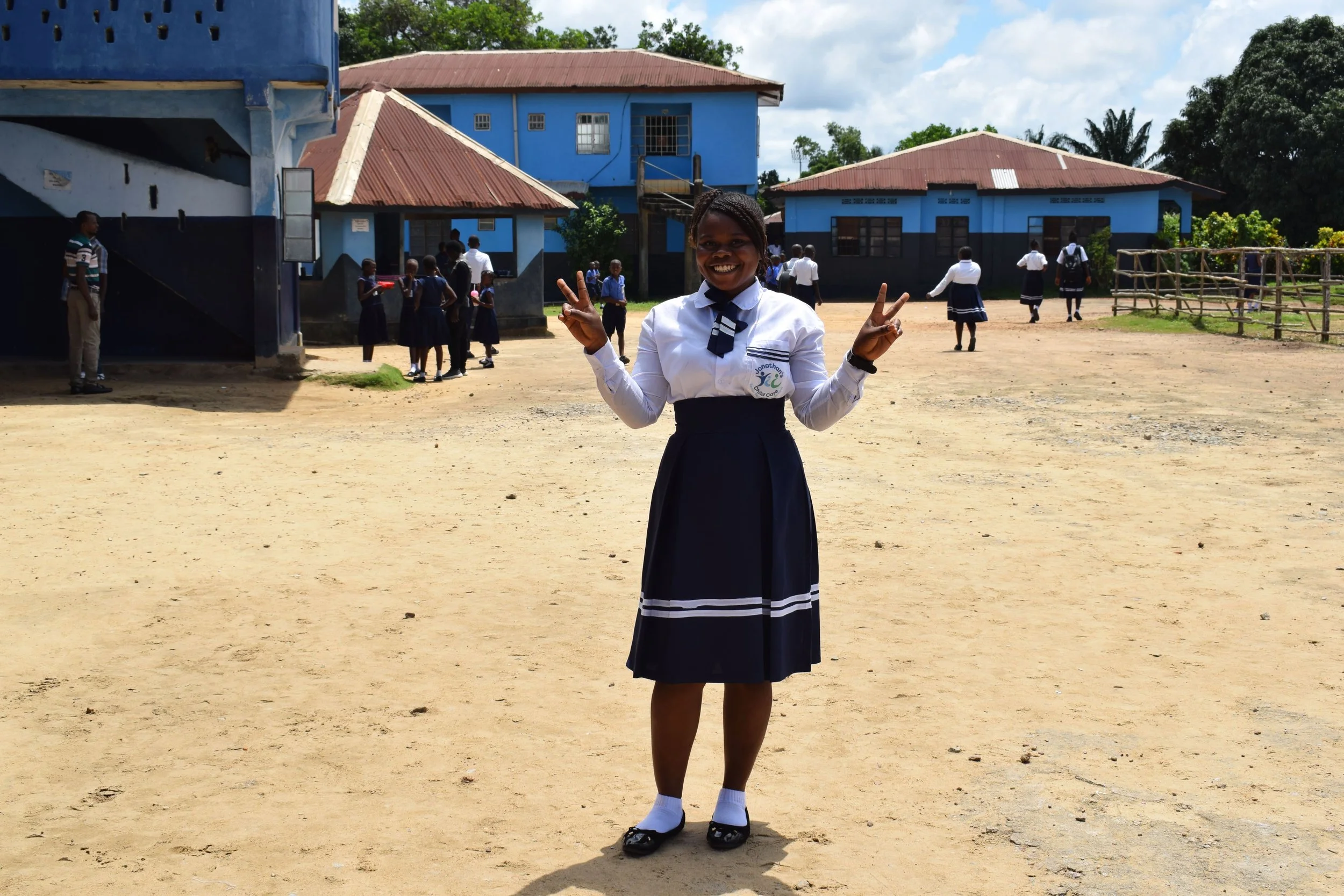
Today, in Sierra Leone and around the world, people are coming together to champion girls’ rights, amplify their voices and tackle the challenges they face.
This year’s theme is ‘End Child Marriage and Invest in Girls’ Rights’. Globally, approximately 12 million girls are married before their 18th birthday every year, most often against their will. In Sierra Leone, roughly one in three girls is married before the age of 18, driven by high rates of poverty, cultural expectations and harmful gender norms, amongst other factors.
In our work, we see the consequences of early marriage far too often. Girls drop out of school, lose touch with their friends, become isolated and lose autonomy over their own lives. Many end up raising their children in the same poverty they grew up in.
Many of the things that drive early marriage, like poverty and girls leaving school, are the same barriers young mothers face. Tackling them is at the heart of our work. Here are a few ways we do this:
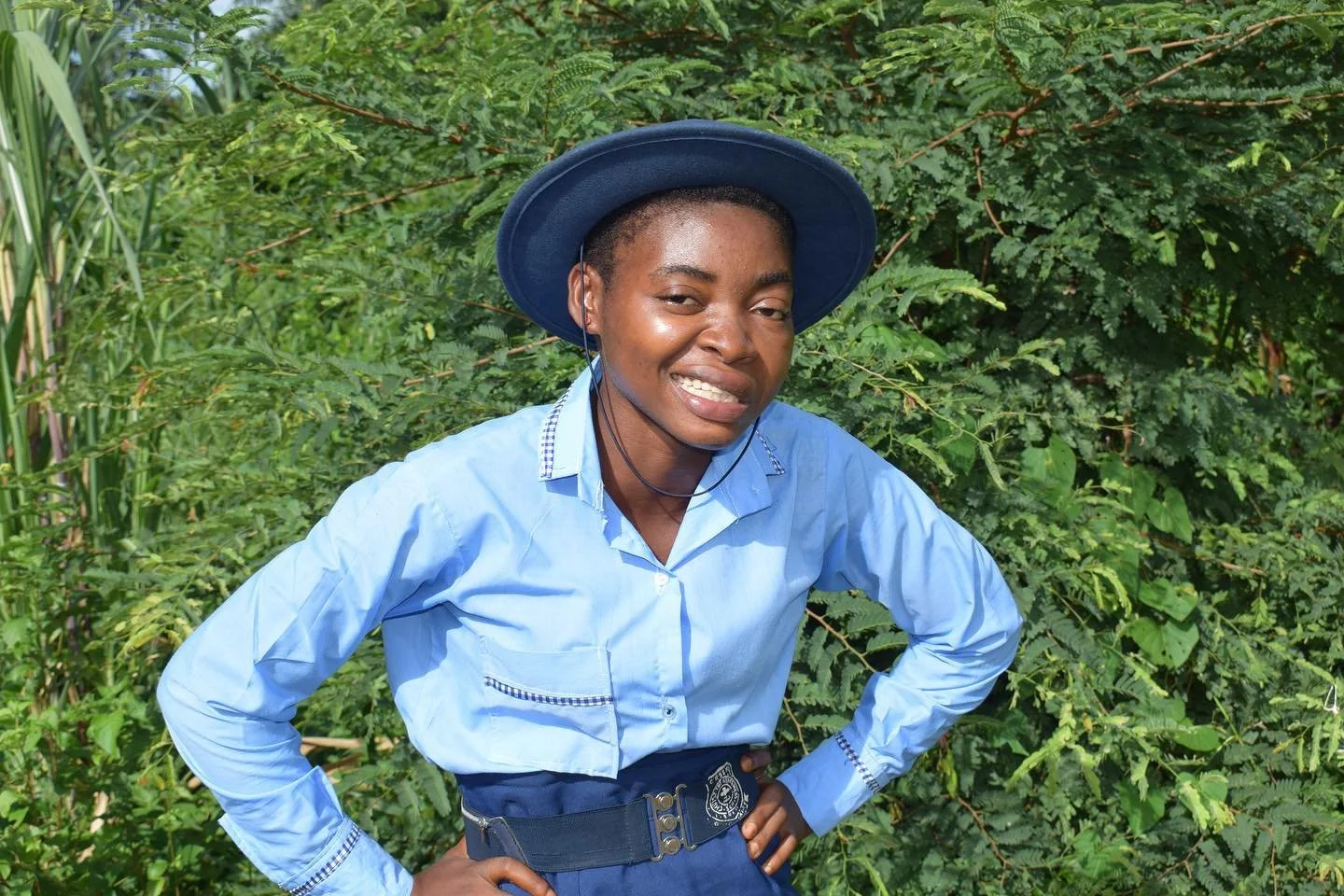
1. Prioritising education
All girls aged 15 and under in our programme return to formal secondary education. Most come from families living in poverty, and the biggest barriers to staying in school are the cost of uniforms and learning materials, and childcare. We cover all three, and families are usually delighted to see their daughters back in the classroom. As Tiangay told us us: ‘My community used to see me as a dropout but now they see me back at school they have changed their mind… I feel proud to be in my school uniform walking to school.’
This matters. Research by the World Bank found that for every extra year a girl spends in secondary school, around six fewer girls in every 100 are married before they turn 18.
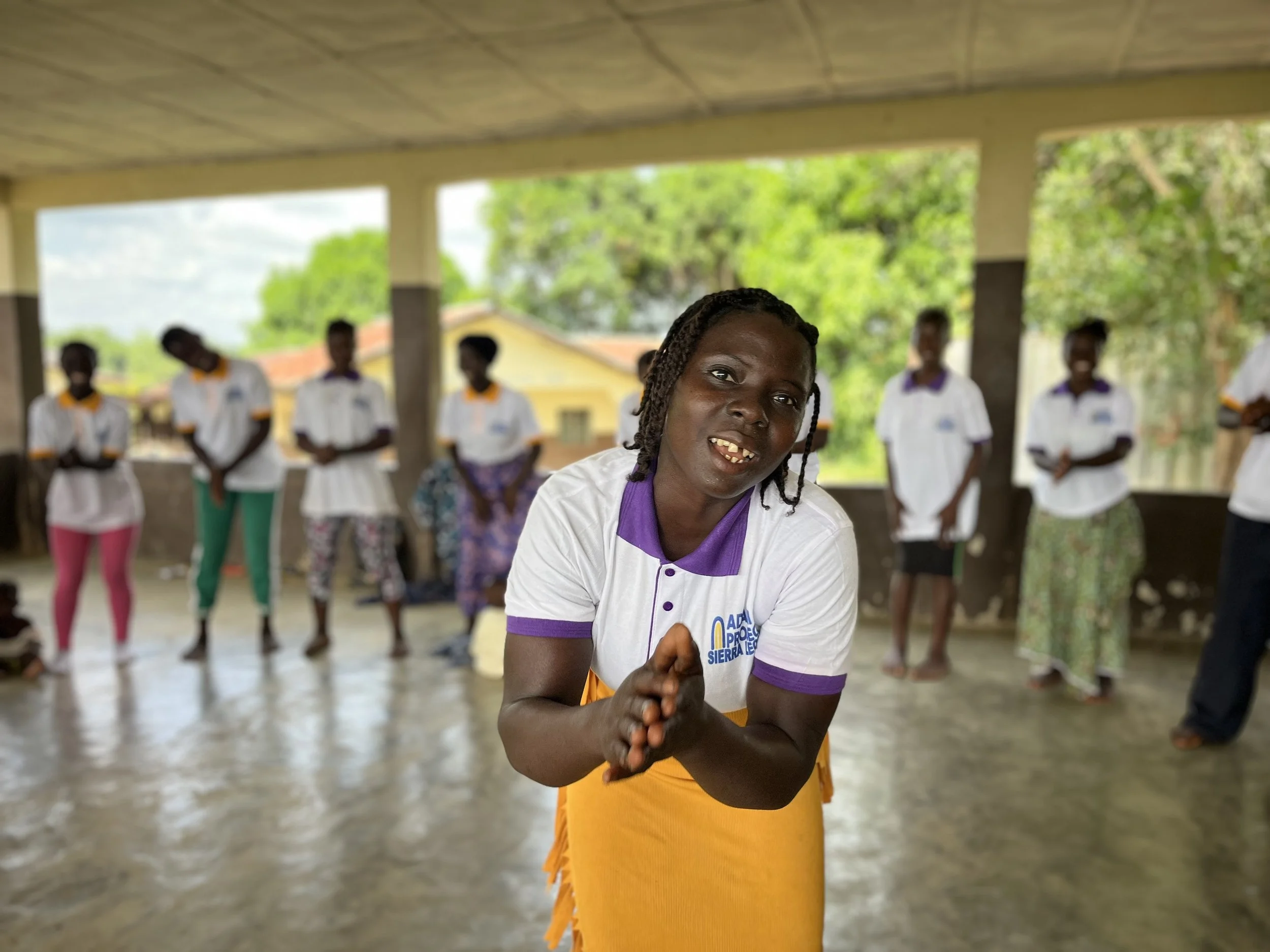
2. Understanding and claiming their rights
We help girls understand and claim their rights. We also work closely with parents, caregivers and community members, because they have a huge influence on whether a girl stays in school or is pushed into marriage. Our quarterly family meals build understanding and support for girls’ rights at home, and our family business grants ease the money worries that can push girls out of school. We also involve men and boys in our work, so they become allies in challenging harmful norms.
3. Building life skills and confidence
Our life skills sessions help girls know and assert their rights, build friendships and support networks, and find their voice. One young mother told us: ‘Through the life skills sessions, I have learnt that early marriage is not good for us, that it is more important to stay in school and complete my education so I can build a better life for myself and my child.’ As Hawa, a tailoring student, told us: ‘The programme has helped me to be bold. Before, I could not talk to anyone. Now, I can speak up for myself.’
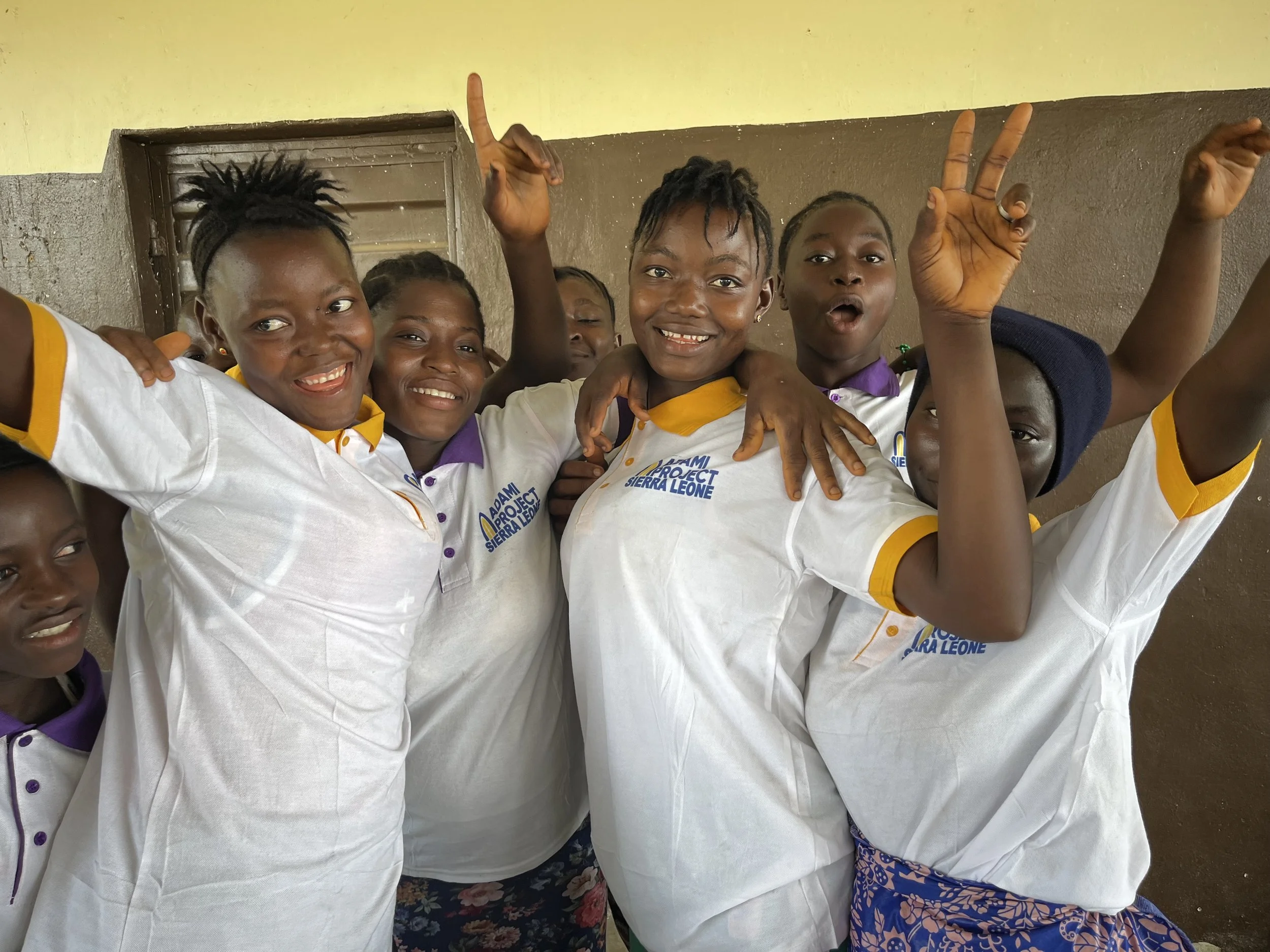
4. Believing in the power of girls
We want everyone in Sierra Leone to see that girls are just as capable as boys. They can succeed in school, build careers and play a full part in their communities.
Many former participants now mentor other young mothers and act as role models. Nancy is one of them. She’s in her second year at university, studying social work on an AdAmi scholarship, and still mentors young mothers in our programme. ‘Nancy has gone through what I’ve been through,’ says Theresa, one of her mentees. ‘She understands and talks to us on the same level. My life is changing because of her encouragement.’
Girls deserve better!
Every girl deserves to choose if, when and whom she marries. She deserves to finish her education and build the future she dreams of. With our network of funders and partners, we’re working hard every day to make that happen.